There's a common misconception that you need to be good at golf before you can enjoy it. That's completely backward. The best way to fall in love with the game is to find a course that doesn't intimidate you, doesn't rush you, and doesn't cost a fortune. Public courses deliver on all three.
Why Public Courses Are Perfect for New Players
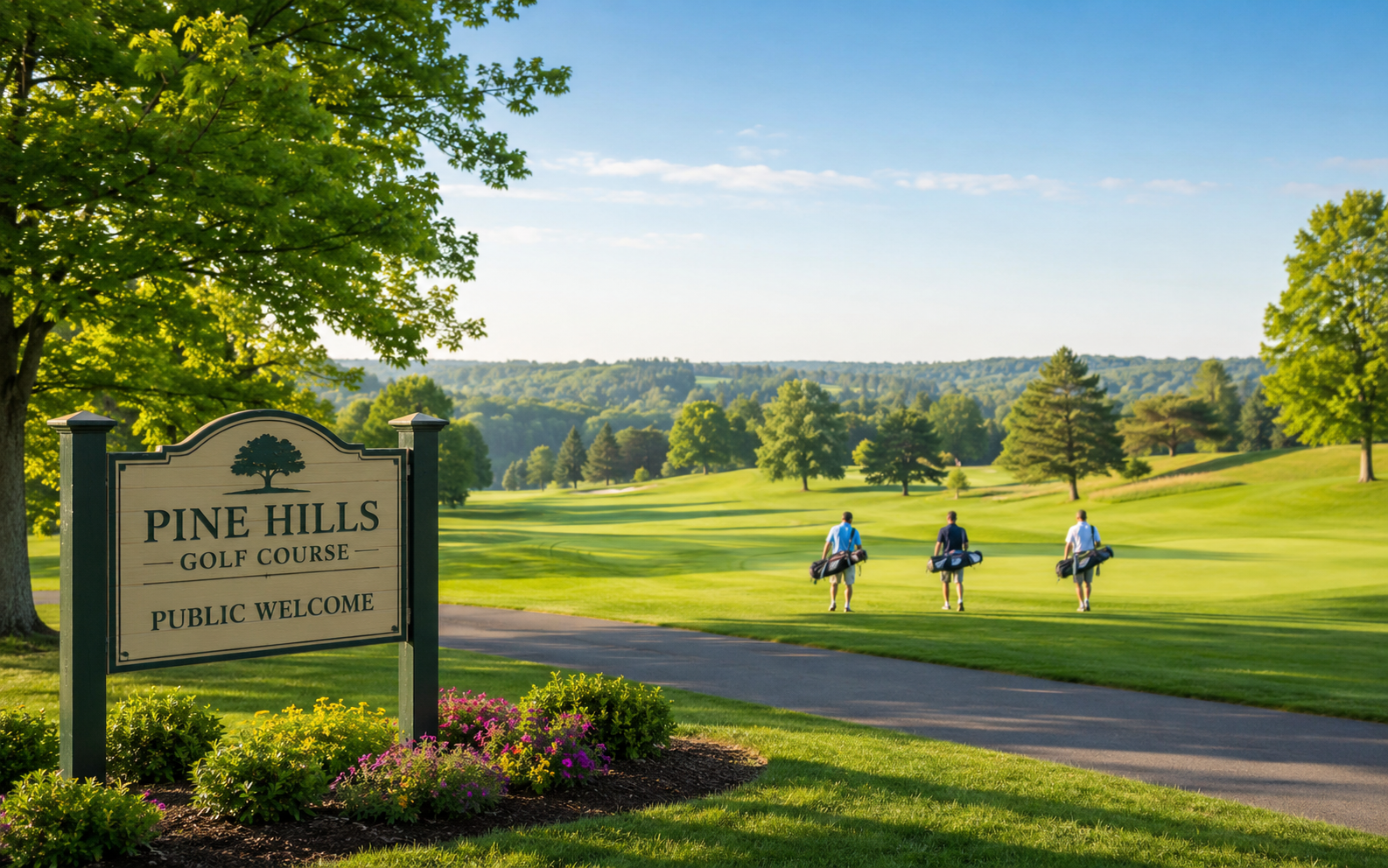
Private clubs have their appeal, but they also come with expectations. There's pressure to keep pace, follow strict dress codes, and perform at a certain level. Public courses strip most of that away. The vibe is relaxed. Players of all skill levels share the fairways, and nobody's judging your swing on the first tee.
Green fees at municipal courses average between $25 and $50 for 18 holes, compared to annual memberships at private clubs that can run $5,000 to $50,000 or more. For someone who's still figuring out whether they even like the game, the math is simple.
What Makes a Course Beginner-Friendly
Not all public courses are created equal for new players. Look for wide fairways that forgive errant drives. Shorter par-3 and par-4 holes give you a realistic chance of reaching the green in regulation. Minimal water hazards and forgiving roughs keep the ball in play and the frustration level low.
Some courses offer forward tees specifically designed for beginners and junior players. Playing from 5,200 yards instead of 6,800 changes the entire experience. Suddenly, a par 4 that seemed impossible becomes very manageable with a decent drive and a mid-iron approach.
Courses Worth Checking Out
Bethpage Yellow in New York offers a forgiving layout alongside its famous Black course. Torrey Pines North in San Diego plays shorter and wider than its South counterpart. In the Midwest, Cog Hill No. 1 in Lemont, Illinois gives beginners a beautiful 18 holes without the difficulty of the Dubsdread course next door.
Don't overlook 9-hole courses either. A quick 9 takes about two hours, costs half as much, and gives you plenty of practice without the fatigue of a full round. Many communities maintain excellent 9-hole municipal courses that rarely get the credit they deserve.
Tips for Your First Few Rounds
Bring only the clubs you actually hit well. Most beginners carry 14 clubs because that's the maximum allowed, but you'll play faster and better with 7 or 8 that you're comfortable with. A driver, a hybrid, a 7-iron, a pitching wedge, a sand wedge, and a putter will cover nearly every situation you'll face.
Play ready golf. That means hitting when you're ready rather than strictly following the away rule. Pick up your ball if you reach double par on a hole. Nobody behind you minds a beginner, but they do mind a slow one. Keep it moving, keep it fun, and you'll be hooked before you finish the back nine.